
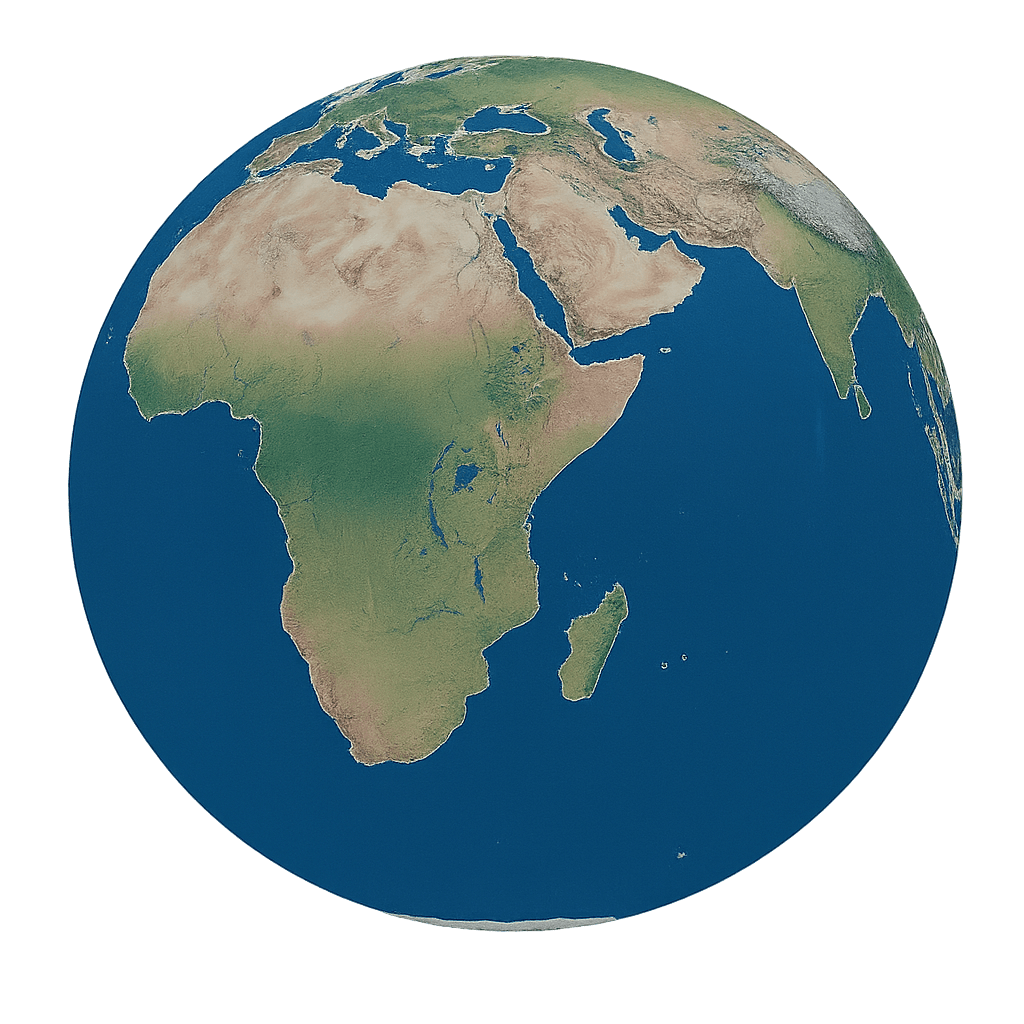
Somalia Returns Home: Somalia repatriated 160 nationals from Yemen in a voluntary return, with women and children included; the government says returnees received medical screening, registration, ID cards, phones and reintegration support like job creation and business assistance. Regional Security & Trade Pressure: Qatar reaffirmed support for Somalia’s institutions at the UN Human Rights Council, urging longer-term development alongside emergency aid. Somalia’s Political Economy: In Ethiopia’s widening conflict, analysts warn the Horn’s instability is deepening risks for Somalia’s security and coastal stability—an issue that matters for shipping, investment and everyday costs. Business & Investment Watch: Locals in Lamu raised compensation and eviction concerns tied to the Dangote refinery project, saying resettlement terms remain unclear as preliminary land activities continue. Maritime Risk Signals: Reports also highlight growing alarm over Houthi–al-Shabaab links, with potential knock-on effects for Red Sea and Gulf of Aden shipping routes that Somalia depends on.
AGP Executive Report
Your go-to archive of top headlines, summarized for quick and easy reading.
Note: AI summary from news headlines; neutral sources weighted more to help reduce bias in the result. Feedback is welcome. Please let us know if you have any comments or suggestions about the AGP Executive Report.
Maritime & Trade Security: Qatar reaffirmed support for Somalia’s sovereignty and security at the UN Human Rights Council, urging longer-term development linked to emergency aid. Piracy & Shipping Costs: Pakistan stepped up efforts to repatriate crew from the MT Honour 25 case after Somali forces freed the vessel—while the UAE condemned attacks on hijacked tankers, warning they threaten international trade routes. National ID & Mobility: Somalia began enforcing NIRA national ID requirements for domestic travel, disrupting flights to/from Puntland where registration access is limited—raising new frictions for business travel and services. Regional Stability Risk: Reports say Ethiopia may pull thousands of ENDF troops from Somalia amid renewed fighting in Tigray, with Mogadishu claiming it was not informed—an uncertainty that can affect security planning and investor confidence. Humanitarian & Food Economics: A UN warning highlighted that fertilizer shipment disruptions through the Strait of Hormuz could cut fertilizer use and worsen food insecurity in Somalia and other vulnerable states. Governance & Institutions: Somali Regional State in Ethiopia reelected Mustafe Cagjar for another five-year term, signaling continuity in security and infrastructure priorities. Business & Recognition: Nominations opened for Somalia’s “100 Most Influential” entrepreneurs, spotlighting Eastleigh’s economic clout and offering a platform for Somali business leaders.
Entrepreneurship & Finance: Somali Magazine opened nominations for the 8th “100 Most Influential Somali People” awards, with a business category and organizers pointing to Eastleigh’s huge M-Pesa flows (up to KSh 5bn daily) as proof of the community’s economic weight in Kenya. Maritime Security & Trade: Pakistan says it is in close contact with Somali authorities after the MT Honour 25 rescue ended with five crew deaths (including three Pakistanis) and four injuries; the UAE also condemned the killings and urged stronger regional protection for shipping. Piracy & Puntland Operations: Puntland forces rescued the hijacked tanker after months in captivity; reports say pirates killed crew before the operation and that suspected attackers were captured. Food Security Pressure: A UN official warned that disruption to fertilizer shipments through the Strait of Hormuz could worsen food insecurity, citing Somalia among countries heavily dependent on Gulf fertilizer. Humanitarian Fallout in Somalia: UNICEF raised alarm over child deaths and injuries in Baidoa amid renewed clashes, calling for protection of schools and health facilities and safe humanitarian access. Domestic Mobility Rules: Somalia began enforcing NIRA national ID requirements for domestic travel between Mogadishu and Puntland, disrupting flights for passengers without the card. Education & Skills: Qatar Charity celebrated graduation of 162 sponsored students from Mogadishu University, highlighting long-running support for higher education. Regional Diplomacy: President Hassan Sheikh Mohamud met Ethiopia and Djibouti leaders to push security and economic cooperation across the Horn, with a planned next stop in Egypt.
Maritime Security & Trade: Puntland forces rescued the hijacked MT Honour 25, but pirates killed five crew members before the operation; four others were injured. Diplomatic Fallout: The UAE condemned the killings as a threat to maritime security and global trade routes, while Pakistan mourned the loss of three Pakistani crew and said injured sailors were taken to hospital. Piracy Economy: The same week, Puntland also freed the MT Eureka crew after months in captivity, underscoring how piracy risk keeps disrupting shipping and costs. Humanitarian Pressure in Business Terms: UNICEF warned of more child deaths and injuries in Baidoa amid renewed clashes tied to Somalia’s food crisis—raising risks for workforce stability and local commerce. Regional Finance & Policy: Somalia’s finance ministry held consultations on the 2027 national budget, a key step for investor confidence and public spending planning. Education & Skills Pipeline: Qatar Charity marked the graduation of 162 sponsored students from Mogadishu University, supporting long-term human capital for Somalia’s economy. Regional Diplomacy: President Hassan Sheikh Mohamud met Djibouti’s leader to deepen security and economic cooperation, with Ethiopia and Egypt also on the agenda.

Maritime Security: Puntland rescued the hijacked MT Honour 25 after months in pirate captivity, but pirates killed five crew members before the operation; 16 suspected pirates were detained and four others were injured, underscoring renewed risks for Gulf of Aden and western Indian Ocean shipping. Regional Diplomacy: Somalia’s President Hassan Sheikh Mohamud met Djibouti’s leader in talks focused on security and economic cooperation, as Mogadishu seeks tighter Horn of Africa coordination amid wider instability. Budget & Governance: Somalia’s finance ministry wrapped public consultations on the 2027 national budget, gathering input on spending priorities ahead of formal approval. Trade & Integration: The Horn of Africa Initiative endorsed a Trade Roadmap and launched its Regional Trade Facilitation Committee, moving from plans to implementation to boost cross-border trade. Red Sea Threats: Reports warn of growing Houthi–al-Shabab ties, with weapons and training links raising alarm for Red Sea shipping and maritime corridors. Energy & Services: Applus+ began offshore rig services in Somalia, offering inspection and certification for drilling equipment to support exploration in remote, high-risk waters.
Piracy & Shipping: Puntland forces rescued the Palau-flagged MT Honour 25 after Somali pirates hijacked it in April; Puntland says pirates killed five crew members (including three Pakistanis, plus one Indian and one Myanmar national) and injured four others, while 16 suspected pirates were detained and set to face court. Anti-Piracy Push: The rescue follows Puntland’s earlier release of the US-sanctioned tanker Sibu 1, as authorities warn piracy is resurging and threatening Gulf of Aden and western Indian Ocean trade. Food Security: With a “super” El Niño strengthening, Somalia’s hunger crisis is worsening—WFP warns millions could face crisis or worse food insecurity, including catastrophic levels in Baidoa, as funding gaps collide with rising needs. Coastal Security: Somalia is tightening coastal security as piracy returns, while regional and international analysts link the uptick to wider Red Sea instability. Regional Security Spillover: Separately, US officials warn Houthi-Al-Shabaab links could expand militant capabilities, raising risks for maritime routes that matter to Somalia’s economy.
Maritime Security & Trade: Puntland says it has rescued the Palau-flagged MT Honour, seized by pirates in April, detaining suspects and sending them to court—coming days after the Sibu 1 tanker was freed—an important signal for shipping safety across the Gulf of Aden and western Indian Ocean. Counterterrorism & Red Sea Risk: US officials warn of growing Houthi–Al-Shabaab links, including weapons sales and training (drones and explosives), raising the odds of more disruption to Red Sea and Gulf of Aden trade routes. Hunger & El Niño: WFP reports Somalia’s hunger emergency is worsening, with 5.4 million in the Horn facing crisis or worse and Baidoa among the hardest hit as El Niño-driven rains raise flood and livelihood risks. Politics, Courts & Mobility: Kenya’s High Court ordered the return of an EALA MP’s Kenyan passport within 24 hours, highlighting how cross-border identity checks can stall business travel and regional cooperation. Regional Instability: Southwest State claims it repelled an Al-Shabaab assault on Baidoa, with allegations of attacks on hotels, businesses, schools and health facilities—another hit to local commerce. Business & Finance Partnerships: AGFUND signed deals in New York supporting digital finance, AI for inclusive growth, and climate-resilient micro-insurance across Somalia and neighboring states.
Maritime Security & Trade: Somalia is stepping up coastal patrols on the northeastern coast as piracy resurges in the Gulf of Aden and Red Sea, including operations targeting pirate hideouts and the recent handling of the Eritrean-flagged vessel Sibu 1. Anti-Piracy Lawmaking: Parliament also approved new piracy and kidnapping legislation, including special courts and tighter cooperation with international partners. South West State Security: Heavy fighting in Baidoa is reported after al-Shabaab-linked attacks and a contested offensive tied to regional power struggles, with officials claiming dozens of militants killed and civilians and businesses hit. Customs Revenue Shock: President Hassan Sheikh Mohamud told the UN that Hormuz disruptions cut Somalia’s customs-based revenue by about 40%, raising food, fuel, transport and insurance costs. Banking & Investment: Somalia’s Investment Agency and Somali Bankers Association held a Mogadishu forum to link investment opportunities with bank financing and boost private-sector project funding. Fisheries & Sovereignty: Somalia objected to Indian Ocean Tuna Commission proposals on TACs for 2027–2028, arguing they lack scientific basis and violate sovereign rights. Regional Diplomacy: Somalia’s UN stance and wider diplomatic moves continue amid heightened tensions around security and territorial integrity.
Somalia-EU Business: Somalia’s Minister of Commerce announced an inaugural EU-Somalia Business Forum on 5–6 October, aiming to connect Somali and European firms, investors and development partners around trade and investment opportunities. Customs & Trade Shock: President Hassan Sheikh Mohamud told the UN that Strait of Hormuz disruptions cut Somalia’s customs revenue by about 40%, raising food, fuel, transport and insurance costs. Fishing Rights: Somalia objected to Indian Ocean Tuna Commission proposals on TACs for 2027–2028, arguing they violate “sovereign rights and obligations” and are not grounded in Somalia’s scientific position. Security Spending Pressure: Somalia’s Defence Committee summoned the defence minister and army chief over cuts to allowances for nearly 6,000 retired/disabled soldiers and families of fallen troops, demanding the legal basis and details of any sold camps. Regional Politics: Puntland urged the UN Security Council to intervene in Somalia’s political dispute and called for an inclusive dialogue and review of weapons restrictions. Visa Rules: US guidance says travel to Somalia after March 1, 2011 can strip Visa Waiver Program eligibility, pushing affected travellers to apply for visas.
UN Security Council Reform Push: Nigeria renewed its bid for a permanent UNSC seat with veto power, arguing the council’s 1945-era setup no longer fits today’s realities and highlighting Somalia as a current non-permanent member. Somalia Diplomacy at UNGA: Saudi Arabia, Qatar, Türkiye, the UK and the US met in New York to back Somalia’s security, stability and territorial integrity, while Puntland urged UN Security Council action over Somalia’s political dispute and called for an inclusive dialogue. Defence Budget Shock: Somalia’s House of the People summoned the defence minister and army chief over alleged cuts to benefits for about 6,000 retired/disabled soldiers and families of fallen troops, with lawmakers demanding the legal basis and camp sales details. Orphans Care Agency Fallout: Families of Somali National Army orphans say monthly allowances were cut from $200 to $100 months after the Orphans Care Agency was launched, raising questions about funding and responsibility. Trade & Finance: Somalia approved amendments to its Central Bank law and passed a bill on international judicial cooperation, while the EU-Somalia Business Forum is set for 5–6 October to spur trade and investment ties. Maritime Security & Trade Disruption: Puntland forces freed the oil-products tanker Sibu 1 from pirates, but accounts differ on who led the operation—an issue with direct implications for shipping risk and costs.
Somalia Security Diplomacy: Saudi Arabia, Qatar, Türkiye, the UK and the US met in New York to discuss support for Somalia’s security, stability and territorial integrity, alongside economic and humanitarian challenges. Defence Budget Shock: Somalia’s House of the People’s Defence Committee summoned the defence minister and army chief over reported cuts to benefits for nearly 6,000 retired/disabled soldiers and families of fallen troops, demanding the legal basis and details on any sold camps. Orphans Allowance Cut: Families of Somali National Army orphans say monthly support was halved from $200 to $100, five months after the Orphans Care Agency was launched—raising questions lawmakers and officials are now pressing. EU Business Push: Somalia’s commerce ministry announced an inaugural EU–Somalia Business Forum for 5–6 October, aiming to unlock trade and investment partnerships. Central Bank & Justice Reform: Parliament approved an international judicial cooperation bill and advanced amendments to the Central Bank law, signaling continued legal and financial institutional strengthening. Puntland vs Pirates, Sibu 1: Puntland maritime forces reported freeing the US-sanctioned tanker Sibu 1 from pirates, with crew safe, while conflicting accounts continue over who led the operation. South West Accountability: Former South West leader Laftagareen urged the UN and partners to investigate alleged federal military attacks and abuses near Baidoa. Food Security Risk: A hunger monitor warned displaced people in southwest Somalia could face famine between October and December as El Niño-linked flooding meets aid shortfalls.
Maritime Security & Trade: Puntland forces freed the US-sanctioned oil-products tanker Sibu 1 from Somali pirates after a two-day operation off Mudug; officials say all 20 crew were safe, with one pirate killed, several wounded, and others detained—highlighting how piracy risk still disrupts Horn of Africa shipping and sanctions-linked cargoes. Humanitarian & Food Security: A new warning says displaced people in southwest Somalia could face famine between October and December as El Niño-driven flooding risks worsen and aid gaps persist, with tens of thousands in Baidoa flagged as at starvation risk. Local Governance & Revenue: South West State opened its annual forum in Baidoa to strengthen local institutions, public services, security coordination, and domestic revenue—while also preparing for El Niño flood impacts. Accountability in Security: Former South West leader Laftagareen urged UN and international partners to investigate alleged abuses and airstrikes in South West Somalia, raising fresh pressure on federal-state security operations. Business Spotlight: Mogadishu-based Wara Fragrance won major recognition at the SOBA Awards, showing continued growth in Somalia’s consumer and beauty sector. Regional Finance & Risk: Separate reporting links informal spaza-shop remittances in South Africa to illicit financial flows reaching terrorist networks across the region, underscoring the wider compliance challenge for cross-border trade and money movement.
Piracy & Trade Security: Puntland maritime police say they freed the U.S.-sanctioned oil-products tanker Sibu 1 after a two-day counter-piracy operation off Mudug; officials report all 20 crew safe, with one pirate killed, five wounded and 41 detained, while other hijacked tankers (Honour 25, MT Eureka, MT Asama) remain held. Conflicting Claims: A Basra tribal sheikh credits his clan’s role in a separate account of freeing Sibu 1, while Somali sources say company personnel also assisted—leaving leadership details disputed. Food Security Alarm: A new warning flags famine risk in southwest Somalia between October and December, citing El Niño-linked flooding and funding shortfalls; IPC estimates around 26,000 displaced people in Baidoa face starvation risk. UN Reform Debate: An opinion piece argues the UN remains structurally “undemocratic” for Africa, with the Security Council’s veto power excluding the continent from decision-making. Agriculture Finance: Ten African countries, including Somalia, increased pledges to IFAD during UNGA, pushing for faster rural transformation amid energy, climate and conflict shocks. Somaliland Economy & Diplomacy: Somaliland president Irro floated renaming Berbera Airport after Trump as he seeks deeper security cooperation with the U.S. and Israel.
Maritime Security & Trade: Puntland maritime forces freed the US-sanctioned oil tanker Sibu 1 after a two-day counter-piracy operation off Mudug, detaining 15 suspected pirates and rescuing all 20 crew members; the case highlights how piracy risk still disrupts Gulf of Aden shipping and sanctions-linked fuel flows. Defense & Welfare: Former NISA chief Fahad Haji Yasin Dahir criticized reported cuts to allowances for disabled soldiers, martyrs’ families and retirees, warning reduced support could undermine trust in the Somali National Army’s care system. Food Security: IGAD reports 40.3 million people across six Eastern African states face acute food insecurity in 2026, with Somalia among the hardest hit as conflict, climate shocks and lower aid deepen hunger risks. Climate Resilience & Water: A UK-backed Horn of Africa groundwater resilience push is underway, aiming to strengthen water security as drought and El Niño-linked impacts threaten livelihoods. Politics & Elections: Somalia’s opposition and regional leaders asked the UN Security Council to intervene in the election and constitutional dispute, warning overlapping crises could erode recent security gains. UN Diplomacy: Somalia’s president used UNGA to reaffirm support for Palestinian statehood and call for UN reforms that deliver results for vulnerable countries.
Food Security Watch: IGAD says over 40.3 million people across six states (Djibouti, Kenya, Somalia, South Sudan, Sudan, Uganda) face acute food insecurity in 2026, with Somalia at nearly 6.5 million people (33%), as conflict, drought and reduced aid deepen hunger. Maritime & Trade Security: A US-sanctioned oil tanker, Sibu 1, was freed after a hijacking by Somali pirates; Puntland says the ship is now under control, highlighting how piracy risk is reshaping shipping costs and routes. Somalia Politics & Governance: President Hassan Sheikh Mohamud told the UN Somalia wants UN support to shift through Somali institutions, while opposition groups and regional leaders urge Security Council intervention over elections and constitutional disputes. Somalia-Italy Business & Security: Somalia met Italy’s Joint Operations Command to strengthen defence cooperation, with attention on Red Sea risks and the impact on regional trade. Regional Agribusiness: Eastern African horticulture players launched the Horticulture Council of Eastern Africa, including Somalia, aiming to cut trade barriers, improve logistics and cold-chain access. UN Climate Resilience: Somalia approved a national plan to prepare for El Niño 2026–2027, as agencies warn funding gaps could worsen flood-linked livelihood losses.
Somalia-Italy Security Talks: In Mogadishu, Somalia’s armed forces commander Brig. Gen. Ibrahim Mohamed Mohamud met Italy’s Joint Operations Command chief Lt. Gen. Giovanni Maria Iannucci, with Italy’s ambassador present, to deepen defence cooperation and coordinate on Red Sea security and its impact on trade and regional stability. Food Security Pressure: IGAD says 40.3 million people across Djibouti, Kenya, Somalia, South Sudan, Sudan and Uganda face acute food insecurity in 2026, with Somalia among the hardest hit as conflict, drought and funding shortfalls bite. El Niño Planning: Somalia approved a national plan to prepare for El Niño 2026–2027, while the disaster agency urged early action ahead of flood risks. Politics & Elections: Former President Farmaajo urged President Mohamud to open an inclusive election dialogue, warning constitutional and mandate disputes could destabilize the country. Regional Governance: Puntland asked the UN Security Council to intervene in Somalia’s political dispute, calling for tighter arms restrictions and direct support to the regional administration. Trade & Jobs Angle: East Africa’s new Horticulture Council (including Somalia) aims to cut trade barriers and logistics bottlenecks to improve market access for growers.
AI & Security: The UN Security Council heard major AI firms and researchers as countries pushed for cross-border rules, with the U.S. refusing to join global coordination and China warning against monopoly-driven “technological edge.” Regional Trade & Jobs: Nine Eastern African countries, including Somalia, launched the Horticulture Council of Eastern Africa in Nairobi to cut trade barriers, improve logistics and cold chains, and tackle post-harvest losses. Somalia Diplomacy at UNGA: President Hassan Sheikh Mohamud held bilateral talks in New York with Serbia, Senegal, Zimbabwe and Pakistan, plus U.S. officials, focusing on peace, security and economic development. Puntland vs Mogadishu: Puntland asked the UN Security Council to intervene in Somalia’s political dispute, calling for inclusive dialogue, tighter arms restrictions, and renewed sanctions oversight. Defense Cooperation: Pakistan Air Force completed a five-day visit to Somalia to support rebuilding the Somali Air Force and expand bilateral military cooperation. Food Security Watch: A new IGAD-linked report flags Somalia among six IGAD countries facing acute food insecurity, with El Niño risks and funding shortfalls worsening hunger.
El Niño & Hunger Watch: Somalia’s Disaster Management Agency and the UN warn El Niño-linked flooding and funding gaps could worsen malnutrition fast, with IPC projecting 5.4m people facing crisis hunger (including 1.5m emergency) and 1.92m under-fives needing treatment by July 2026–June 2027. Climate Preparedness: Somalia approved a National El Niño Preparedness Plan (2026–2027) and urged faster coordination across federal, member-state and local institutions, including early-warning, evacuation, shelter, health and support for livestock and farms. Trade & Industry Push: Somalia says it imports nearly $9bn annually and wants to cut reliance by expanding domestic manufacturing, citing a 2026 trade deficit of about $7.7bn and food as roughly one-third of import costs. Security & Regional Economics: Uganda suspended military cooperation with Türkiye, with sources linking the dispute to Somalia troop deployments and Mogadishu’s reported push to end Ankara-linked brigades—raising uncertainty for AUSSOM timelines and costs. UN Diplomacy: Somalia’s President Hassan Sheikh Mohamud attended UNGA opening, signaling continued focus on security, state-building and investment talks on the sidelines. Humanitarian Spillover: UNHCR says Yemen’s renewed fighting is driving refugees toward Djibouti, Somaliland and Puntland, adding pressure to Horn of Africa services and budgets.
Somalia Trade & Industry: Somalia’s Commerce minister says the country imports nearly $9bn a year and wants businesses to scale local manufacturing to cut the trade deficit, with food, fuel, medicines and construction materials driving most imports. El Niño & Hunger Risk: Somalia’s Disaster Management Agency and the UN warn projected El Niño flooding plus funding gaps could worsen hunger and acute malnutrition, with IPC analysis flagging 5.4m people facing crisis levels Oct–Dec and 1.92m under-fives needing treatment. National Planning: Somalia has approved a 2026–2027 National El Niño Preparedness Plan, calling for coordinated early-warning, evacuation, shelter, healthcare and support for livestock, agriculture and critical infrastructure. Regional Security Spillover: UNHCR warns Yemen’s escalating conflict is pushing refugees toward Djibouti and Somalia (Somaliland and Puntland), raising pressure on already strained services. AfCFTA Readiness: Ethiopia’s chamber is intensifying AfCFTA training and partnerships—relevant for Somali firms eyeing regional trade as integration deepens. Diplomacy & Investment: Somalia’s president attended the UN General Assembly opening in New York, signaling continued push for security, state-building and economic development support.
Somalia Media & Digital Rights: The Somali Journalists Syndicate says Somali journalists’ Facebook pages were hit by coordinated suspensions, removals and false death reports after China- and Türkiye-backed strategic communications engagements with Mogadishu, raising fresh alarms for press freedom and online political space. Somalia Governance & Finance: Italy’s ambassador met Somalia’s agriculture minister to discuss boosting local production, value chains and exports, with an emphasis on water security and climate-resilient farming. Somalia Security & Regional Stakes: Reporting links Uganda’s suspension of defence cooperation with Türkiye to wider fallout from Somalia’s AU mission drawdown pressures, with potential financial impacts for Kampala. Somalia Economy & Institutions: Somalia’s Senate approved a revenue authority bill and two constitutional commission members, a move aimed at strengthening state capacity and fiscal management. Somalia & Climate Risk: Coverage highlights how El Niño-linked shocks and aid cuts are worsening hunger and displacement risks across the Horn, with Somalia among the most exposed.
Sign up for:
Somalia Business Press
The daily local news briefing you can trust. Every day. Subscribe now.
Check Your Email!
We sent a one-time activation link to: .
Confirm it's you by clicking the email link.
If the email is not in your inbox, check spam or try again.
Welcome back!
is already signed up. Check your inbox for updates.